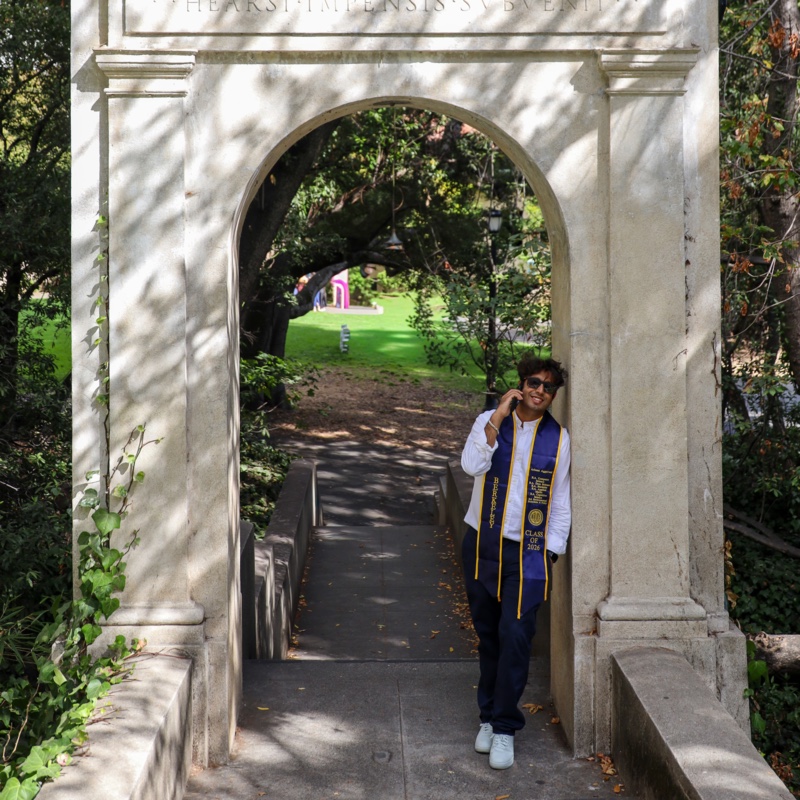
Arhaan Aggarwal
CEO & co-founderImplemented computer-use evaluators and verified end-to-end workflows through OSWorld-v2.
LinkedInRealistic environments built around your tools, data, permissions, and workflows. Today, we help teams test what their agents actually change.
A refund request crosses the support desk, order system, and payment ledger. A timeout can turn one payment into two.
In development: environments and training methods that help agents learn from these failures.
A new request key pays again.
The same key preserves one payment.
Synthetic data. Scripted paths. No model called.
The task: refund the right customer, once, within the rules. Choose a failure condition and see what the agent changes.
Custom environments, built and delivered directly with your team. Accounting and ERP, GTM, or customer support: we recreate the detail that matters to the task.
Scope an environmentMap the task, connected tools, permissions, and outcomes your agent needs to get right.
Model the data and dependencies at the level of detail the workflow needs.
Introduce timeouts, stale records, customer boundaries, and approval requirements.
Independently verify task completion, unintended changes, and whether the evaluation itself can be trusted.
Customer work reveals consequential failures. With appropriate permission, those patterns can inform verified task families, training environments, and adaptive curricula.
Customer-specific workflows for agent evaluation, scoped and delivered with your team.
Refresh environments and evaluations as agents, tools, and workflows change, through recurring engagements and reusable components.
Verified task sets and reinforcement-learning environments where developers and model labs can train agents through repeated practice.
Self-play-inspired training that uses verified failures to propose the next challenge. An applied AI lab developing environments and methods for unfamiliar workflows.
Challenges evolve. Independent checks stay central.
One AI proposes a workflow task.
Another agent attempts it in the environment.
Independent checks validate suitability, actions, outcomes, and rewards.
Verified failures guide subsequent challenges.
Our first research question Can adaptive curricula improve performance on held-out workflows compared with fixed curricula, at comparable total cost?
This is planned work, not a demonstrated training or generalization result. Customer data and task reuse require appropriate permission.
Three custom environments.
One pilot customer.
Delivered for testing internal products and tools. Evidence of delivery, not measured performance or business impact.
Experience across agent evaluation, synthetic data, and B2B customer discovery.
Implemented computer-use evaluators and verified end-to-end workflows through OSWorld-v2.
LinkedIn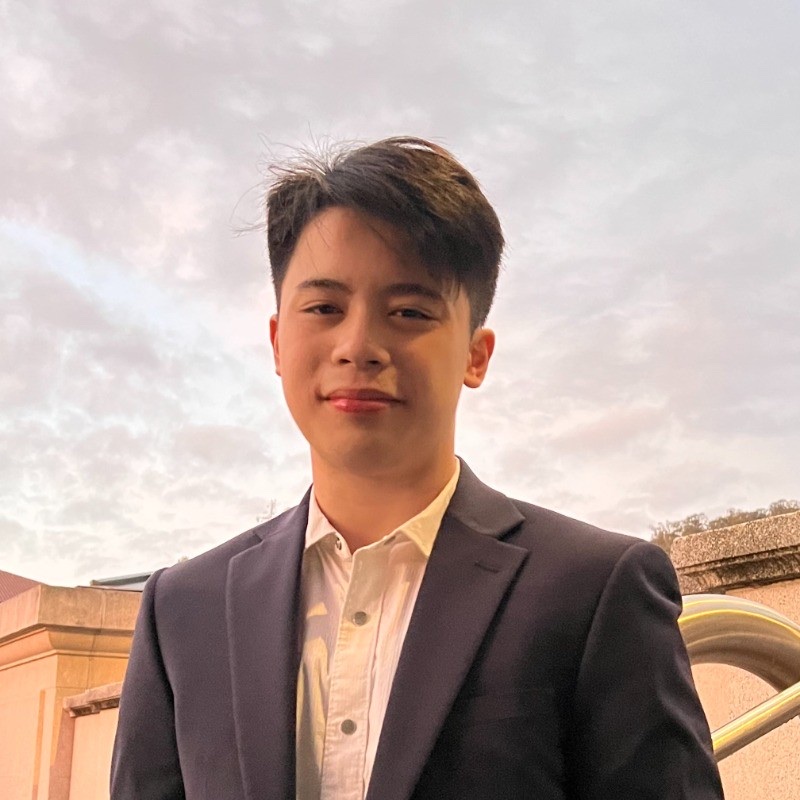
Built synthetic-data experiments to test whether strong model scores concealed inconsistent underlying records.
LinkedIn
Led customer interviews with security and compliance teams in a previous B2B operating role.
LinkedInTell us about the workflow, the systems it touches, the task to complete, and the failures that matter.